The Time for Long Island is Now
I’ve spent years watching leaders talk about Long Island’s potential. But too often, the people who needed to be in the room together to solve our problems weren’t; the result being a lot of talk and still a housing, labor and affordability crisis. While many attribute these challenges to the complex municipal system that comprises Nassau and Suffolk counties (which combined have two cities, 13 towns, 114 villages and untold hamlets), to me that is an excuse rather than a reason. In a country where we are currently working on creating a civilization on the moon, it is hard-pressed for me to believe that Long Islanders cannot figure out how to navigate our self-created bureaucracy more efficiently. The reason, I believe, that we have these challenges is because to solve them we need the business community more involved; the “private” part of a public/private partnership.
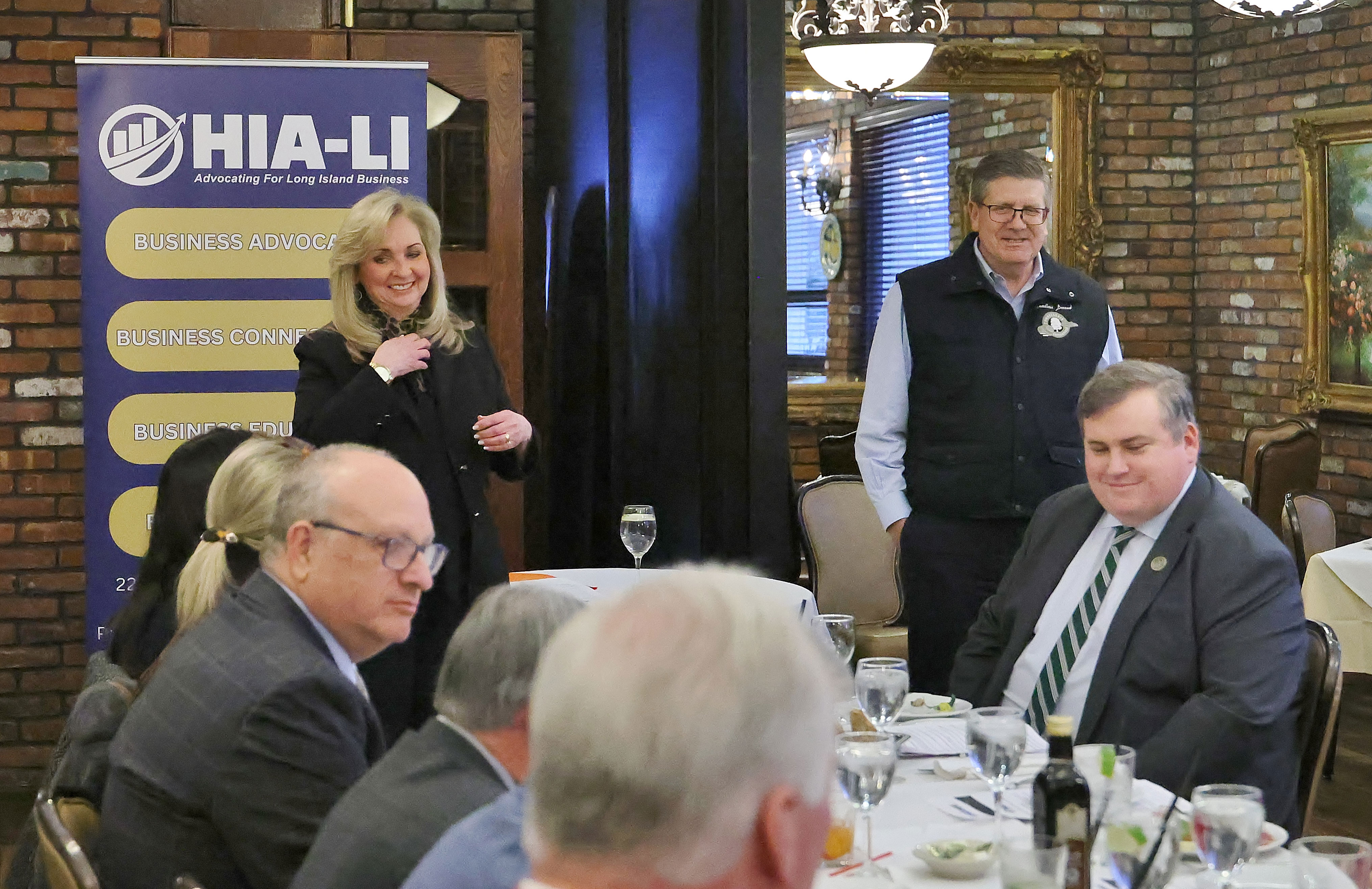
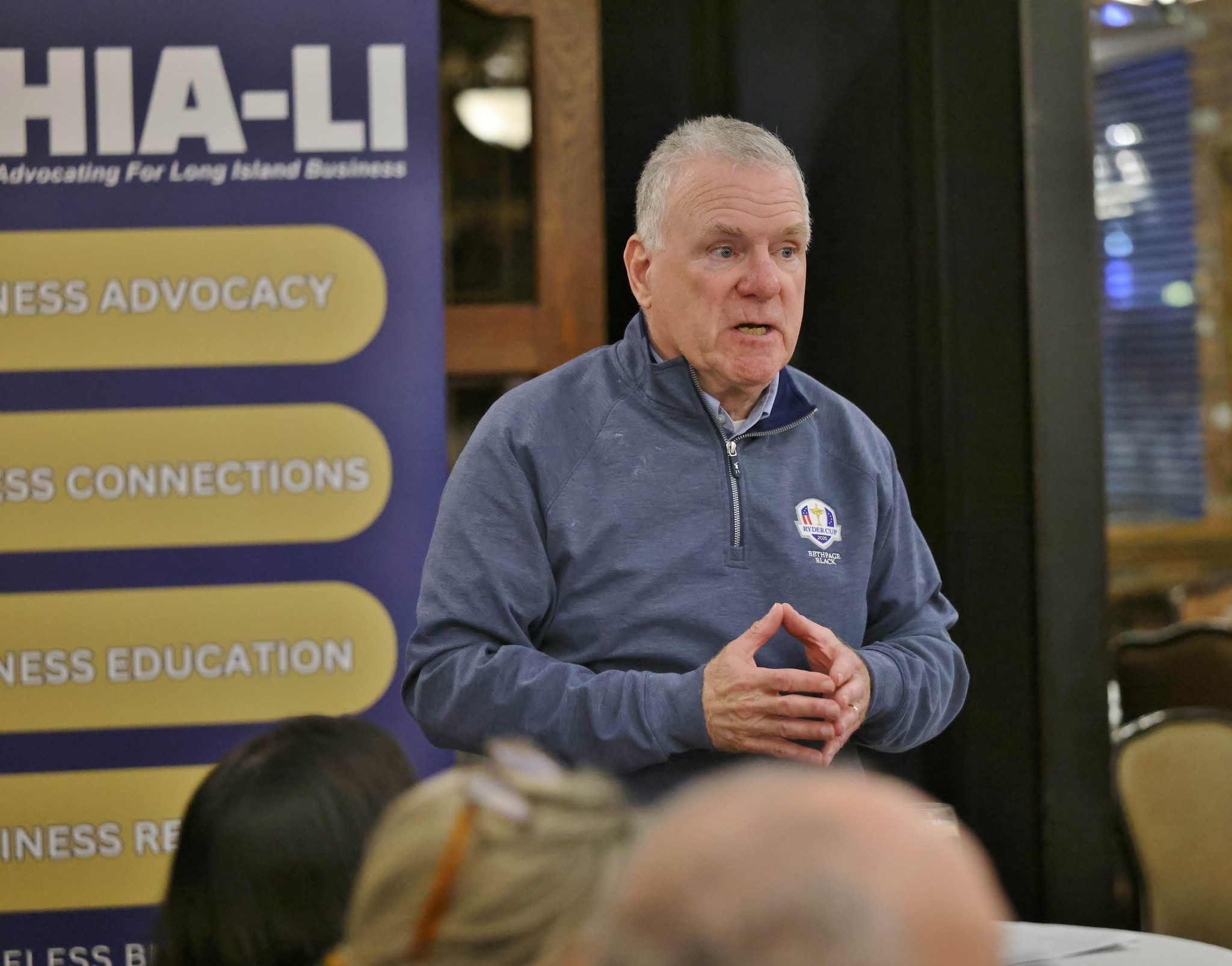
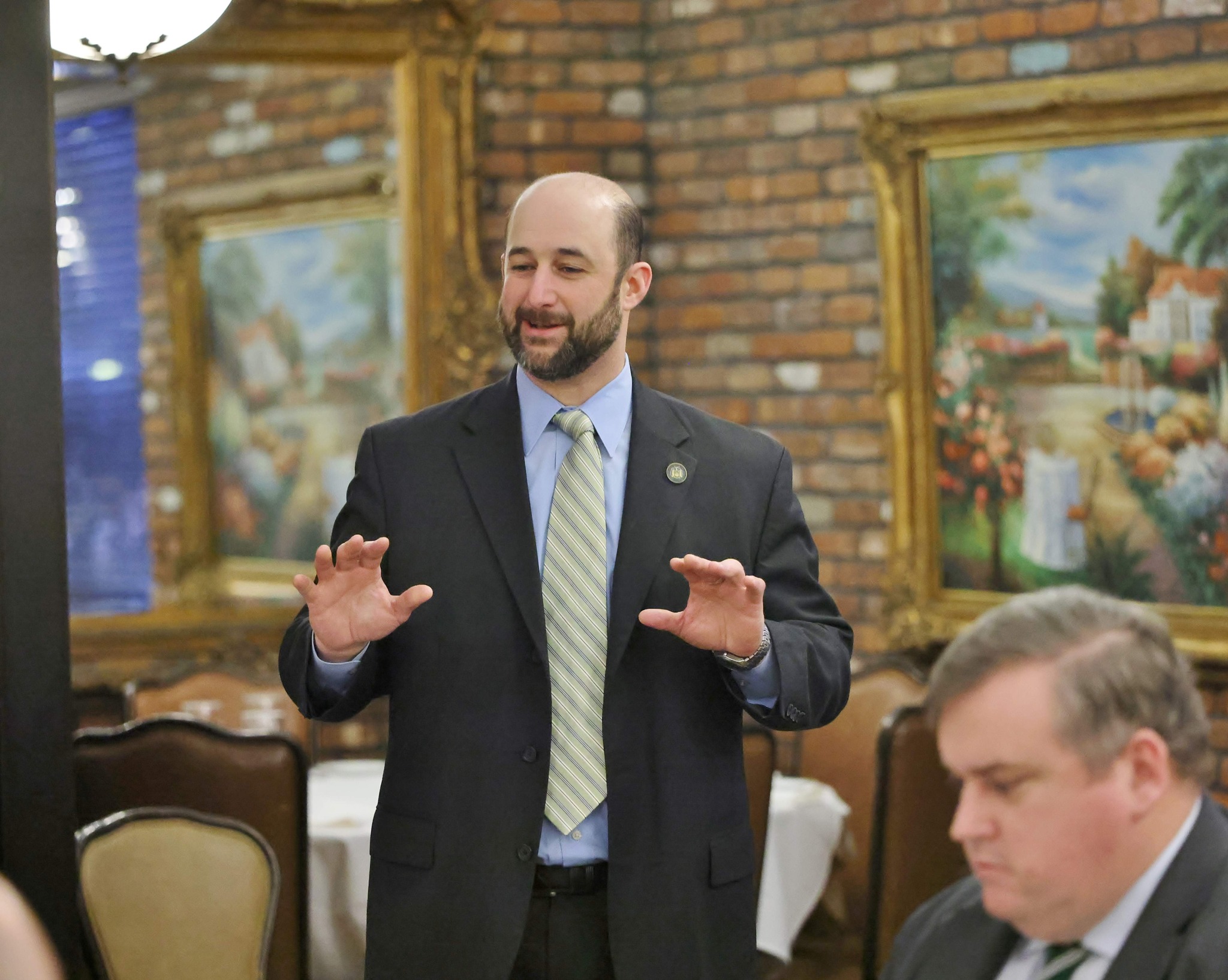
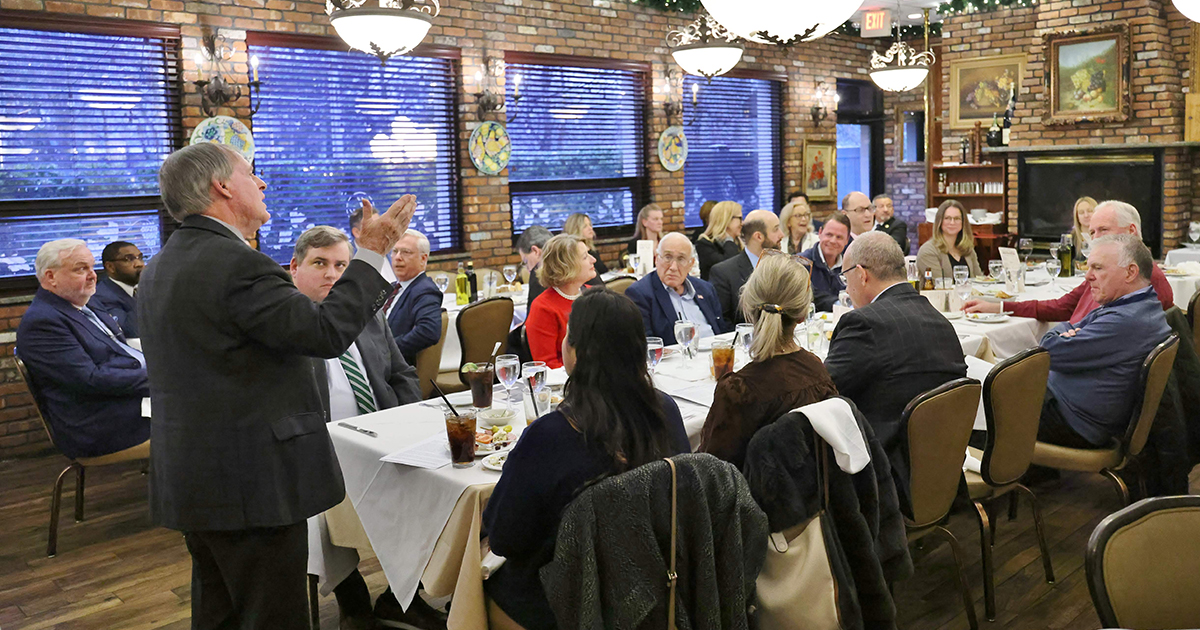
That’s exactly why Terri Alessi-Miceli, CEO of HIA-LI, and I hosted the first Annual Economic Development Summit last month. The premise was straightforward: Get elected officials and business advocacy groups in the same room, understand and align their 2026 priorities, and then educate the business community about existing opportunities here on Long Island. Using this forum annually will facilitate us to better educate our incredible entrepreneurs as to the challenges we face so they can do what they do best: Use capitalism to create products and services to help solve these problems. And by doing that, we will continue to attract much- needed capital to our region.
Highlights from the summit include Robert Calarco from Governor Hochul’s office delivering a clear message that Albany is paying attention to Long Island. He laid out how the state has allocated funds toward downtown sewer development, the biggest constraint on housing and commercial development. Without the state, investment projects simply will continue to stall.
Smithtown Supervisor Ed Wehrheim echoed these comments and discussed how the town needs more hotel capacity, a common sentiment on the Island. Without it, you can’t attract the conferences, corporate relocations, or business tourism that drive sustained economic growth. Kelly Murphy, executive director and CEO of the Suffolk County IDA, added her perspective and reinforced the role of the IDA in facilitating investment and opportunity across the county. Mitch Pally of Discover Long Island made the case for a Long Island convention center in Ronkonkoma. A project that, if realized, could significantly elevate Long Island’s profile as a destination for business tourism, conferences and large-scale events.
Understanding legislative needs and priorities is critical for any entity looking to invest into a region. Without alignment, projects will experience significant delays making the cost of capital too expensive for completion.
What I heard at the summit, where we all broke bread, gave me real confidence that the leaders of Long Island are not waiting for growth to come to it, but are instead creating growth opportunities. This watershed moment in government must be met by the business community with equal vigor, for they are the ones who can create more efficiencies and advance the ball further than government can alone.